2. Give background information about the company and its operations. Please consult the company website and other media sources. Consult the mission and vision statement of the company, as well as their official corporate history. Document your sources with citations at the end of the post.
Background Information:
Nestle has more than 2,000 brands that are presented in 187 countries. Nestle states that their purpose is “enhancing quality of life and contributing to a healthier future. Driven by our purpose we want to help shape a better world and inspire people to live healthier lives. This is how we contribute to society and ensure our long-term success” (History, n.d.). Their goals are split up into three categories, for communities, for families and individuals, and for the planet. Their goal for communities is to help improve 30 million livelihoods in communities directly connected to their business activities. Nestles goal for families and individuals is to help 50 million children live healthier lives. And their goal for the planet is to strive for zero environmental impact in their operations. These three individual goals work together towards one big goal, which is for Nestle to help make a better and healthier world.
Logo History:
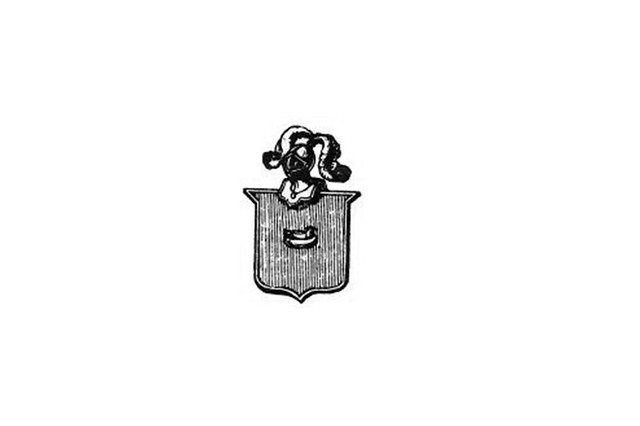
Nestle Family Coat of Arms 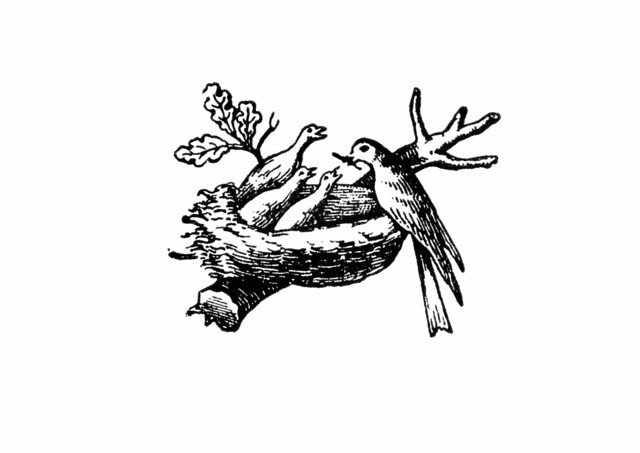
1868 Logo 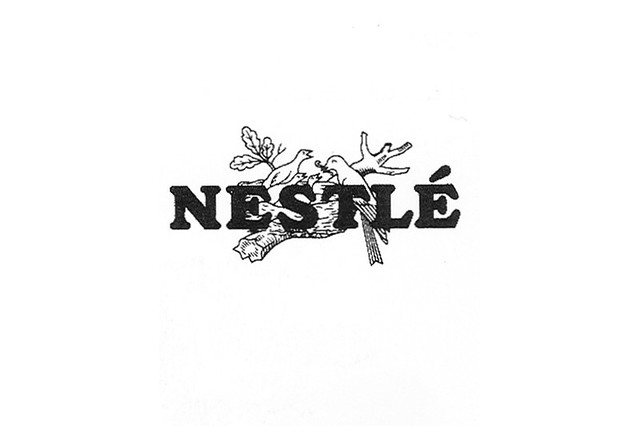
1938 Logo 
1966 Logo 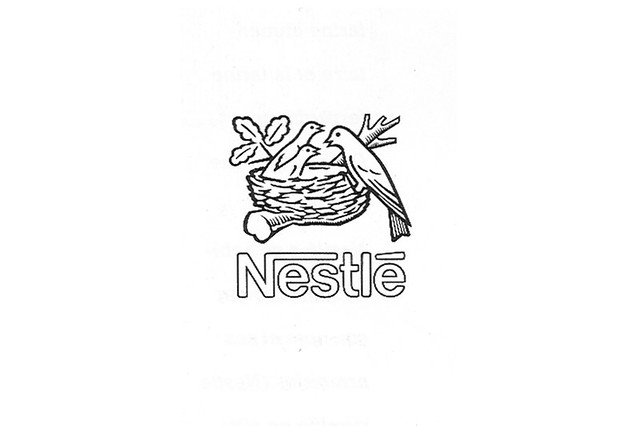
1988 Logo 
1995 Logo 
Current Logo designed in 2015
Mission statement:
“Nestlé is…
…the world’s leading nutrition, health and wellness company. Our mission of “Good Food, Good Life” is to provide consumers with the best tasting, most nutritious choices in a wide range of food and beverage categories and eating occasions, from morning to night.”
Vision Statement:
“To be a leading, competitive, Nutrition, Health and Wellness Company delivering improved shareholder value by being a preferred corporate citizen, preferred employer, preferred supplier selling preferred products.”
Source: https://www.flickr.com/photos/nestle/5594680223
Corporate History:
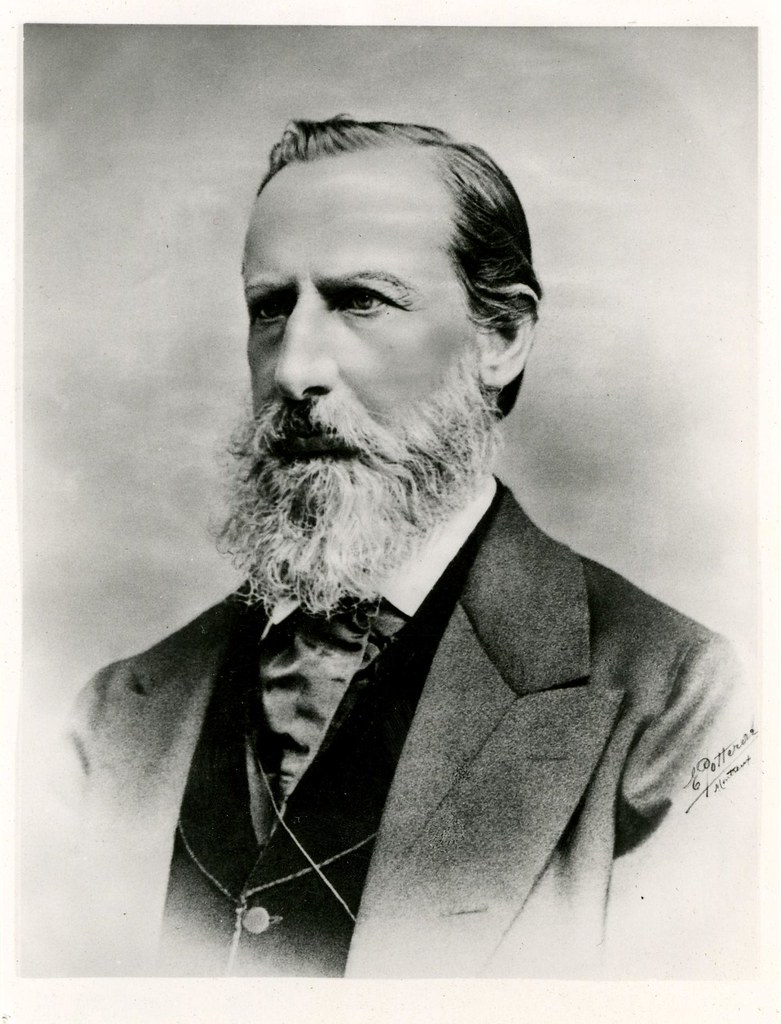
According to the Nestle website, their history began in 1866 when US brothers, Charles and George Page, help establish Anglo-Swiss Condensed Milk Company. The condensed milk was advertised as an alternative to fresh milk. In 1867 “Nestlé’s founder, German-born pharmacist Henri Nestlé, launches his ‘farine lactée’ (‘flour with milk’) in Vevey, Switzerland. It combines cow’s milk, wheat flour and sugar, and Nestlé develops it for consumption by infants who cannot be breastfed, to tackle high mortality rates.” (History, n.d.) Over the years, Anglo-Swiss and Nestle expanded and competed with one another to sell their very similar products. In 1905, the companies finally merge and expand to more products like sterilized milk and unsweetened condensed milk. During World War I, the demand for nestle products had increased yet the production was a challenge due to the boarders. “Condensed milk is long-lasting and easy to transport, which makes it popular with armed forces” (History, n.d.).
Over the years Nestle expands their products and dips their toes into other industries by purchasing and launching companies. From 1929 to 1938, they produced chocolate drinks, variations of chocolate, created a powder extract of coffee, and continued to improve baby formula. Then in 1947 Nestle merged with Swiss company Alimentana, which produces bullions, seasonings, and protein rich dried soups advertised as Maggi soups. In 1957, Nestle launched canned and prepared foods, which became a new growth segment under Maggi soups. Then in 1960, freezers became popular so Nestle becomes involved in the ice cream, frozen yogurt, and frozen food industry. 1969 is the start of Nestlé’s water by buying a stake in the French waters brand Vittel. In 1977, the “declining breast-feeding rates lead some activists to question the baby food marketing strategies of companies including Nestlé. In 1977 they call on people to boycott Nestlé products” (History, n.d.). In 1992, Nestle “develops its position in mineral waters by acquiring France’s Perrier Group. Nestlé Sources Internationales is created as a separate waters business in 1993, and is renamed Nestlé Waters in 2002” (History, n.d.). And then Nestle Pure Life is release in 1998 along with Aquarel in Europe in 2000 right after purchasing an Italian mineral water company, Sanpellegrino Group. Nestle continues to grow through purchasing more companies like Gerber and research facilities for pharmaceuticals and healthy food.
Source:
History. (n.d.). Retrieved March 26, 2020, from https://www.nestle.com/aboutus/history
Luenendonk, M. (2015, September 3). The History of Nestlé. Retrieved March 26, 2020, from https://www.cleverism.com/the-history-of-nestle/
 Sidney Ponikau
It is crazy that Nestle has 2,000 brands overall. Nestle’s mission statement is “Good Food, Good Life”. This phrase is very catchy and people will remember it easily. Also, this is referring to “consumers with the best tasting, most nutritious choices in a wide range of food and beverage categories and eating occasions, from morning to night.” This is a great mission statement and obviously from having 2,000 brands they achieve it well. It is also very interesting that this company started in 1866 and look how far it has come.
LikeLike
I know! They have their foot in so many different markets that I did not even know of. I also find it interesting that they have come so far yet have had so many ethical issues. This water issue is not only in California but many other states and even countries. They also have had ethical issues with their infant formula, by giving new mothers a free week supply of formula which then caused the mother to no longer be able to breastfeed and be forced to buy formula.
LikeLike
Having Nestle’s mission statement being “Good Food, Good Life”, I agree with Karly, it is very catchy and it indicates that they rank the experiences of its customers at the top of its priorities. In this statement it shows us that they are boosting health, improving lives, and improving communities.
LikeLike
I agree, and in theory they are boosting health, improving lives, and improving communities, but they seem to also be hurting the eco-system in the process.
LikeLike
I find it extremely interesting that Nestle has stated that they have planet driven goals. While Im sure they donate to different organizations that benefit the planet, their production of many products completely disregards this goal. Focusing on the plastic products, Nestle produces enough plastic products to stretch to the sun and back multiple times. I think it would be in their best interest to looks for eco friendly and biodegradable forms of packaging for products. Aside from their environmental impacts, I feel that the customer experience plays a big role in Nestles products and they have done a good job in focusing the product on the user experience. This blog does a good job of touching on all points of the background of the Nestle company.
LikeLike
I agree, eco friendly and bio degradable packaging for all their products should be a priority. As for customer experience, its seems that some things Nestle has done in the past are unethical. For example, Nestle gave new mothers a free week supply of formula which then caused the mother to no longer be able to breastfeed and be forced to buy formula.
LikeLike
I feel like the “Good Food, Good Life” slogan is rather comical. Aside from peddling water, Nestle is one of the largest producers of candy and sugary beverages. It seems like in all they’re marketing they downplay their unhealthy offerings.
LikeLike
You’re right, I didn’t even consider that they sell so much unhealthy food yet their slogan is to promote a healthy lifestyle.
LikeLike