5. What course of action would you suggest that the company take? Are there more than one courses of action? If so, what ethical framework is behind your reasoning? Why does this ethical framework yield a better outcome or provide better insights into your solution than another approach? What other approaches might work? Compare and contrast what each approach may offer as a potential solution.
The ethical framework that is being used for Nestle’s situation is the teleological approach. Teleological focuses on results and the outcomes, which Nestle very much only sees the money profit they are making off of the water that they are mining. Nestle is known to source water where communities are struggling. They see this as a positive because they then promote that a benefit of them mining water in that area is that they give jobs to the community. Nestle also funds for new parks, baseball parks, amongst other things for the community. This supports that Nestle believe that the good they are doing for a community over rides the bad.

Deontological does not apply to Nestle because they do not seem to follow rules. Instead they want the rules to be bent for them. Nestle shows this by donating to politicians and having their employees on boards that make the rules and regulations that would affect Nestle and their production along with their profit.
Virtue also does not apply to Nestle because they seem to face the same ethical problems everywhere, yet they do not change their production process of bottled water. Nestle seems to be motivated by money and not what is best for the people. This company has been accused of sourcing water not just from California, who has been going through a drought, but also from third world countries. They make wells so deep and take so much water that the wells around Nestle’s well dry up. This problem along with so many other ethical issues in the pass show that Nestle is not motivated by virtue.
When it comes to bottled water, Nestle needs to re-think their whole approach. It is understandable that Nestle can only get water where there is a source, they cannot make water magically appear. The first step is to search for locations that can afford to have water mined, where the environment will not be heavily impacted. Another step is to have more locations of sourcing water, and a decrease of the amount of water that they are taking.


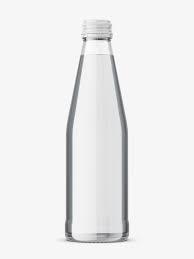


Another way to help improve the environment is to stop producing and using single use plastic bottles. Of the plastic that we recycle, only 8.4% of it actually gets recycled. The rest goes into our landfills and our environment which is also destroying our eco system. The best way to reduce plastic waste is to not produce it at all. I believe that Nestle should sell all of their water through glass bottles. Or they could also sell refillable glass bottles and have a re-fill station in grocery stores, pharmacies, malls, or other local public locations. Personally, I think this is the best way to still be able to give people the option of having bottled water, but making sure that it is more environmentally friendly.

Source:
Plastics: Material-Specific Data. (2019, October 30). Retrieved April 8, 2020, from https://www.epa.gov/facts-and-figures-about-materials-waste-and-recycling/plastics-material-specific-data
 Sidney Ponikau
I would agree that a teleological approach is the best for this situation. Rather than thinking about their duty or obligation, Nestle needs to make their decisions based on what the consequences of the outcomes may be. While this approach may disregard the financial impacts that their decision making may have, it allows the company to focus on what is going to have the best ethical outcome. In reality it is all about how the consumer perceives a company. Time has shown that the company that constantly face scrutiny eventually fall.
LikeLike
I agree. Nestle has faced so much scrutiny through out the years. I’m surprised that they have not yet fallen with amount of ethically issues they have faced.
LikeLike
I also agree that the teleological approach works best for Nestle rather than the other two frameworks. I totally understand where Nestle is coming from, that they have to make profit and water just doesn’t just appear but they need to think about anything else that is at risk. Also Sidney, made a great point, that they need to get rid plastic bottles as well because only 8.4% is actually being recycled. Overall, Nestle was a great company to use for this ethical dilemma. Well done.
LikeLike
Exactly. Where the water is mined is not the only problem of the bottling water business that is affecting the environment.
LikeLike
I believe that Nestle is currently using the teleological approach is what Nestle is currently doing. They are doing whatever will lead to the best results. By nature this negates the greater good and favors grater results. If they were to use a utilitarian approach they would have to rework their whole company.
LikeLike
The teleological approach is what Nestle is currently doing, and you’re right, the utilitarian would be the more ideal approach.
LikeLike
I also agree that Nestle is using the teleological approach in this situation because they are reaching the “end” or a “goal”. It is concerned on how choices will affect a particular desired moral outcome. I also really enjoyed reading about your suggestions on how you would go about this ethical problem. I think having more sources of water will help reduce this issue.
LikeLike
Hopefully Nestle will make some changes soon that are more environmentally friendly.
LikeLike